Suffering in 2026: New Anxieties, Same Dukkha?
I have called myself a social activist for decades. I have also been a meditator for decades. One of the questions I often reflect on is how Buddhist teachings relate to the conditions of contemporary life.
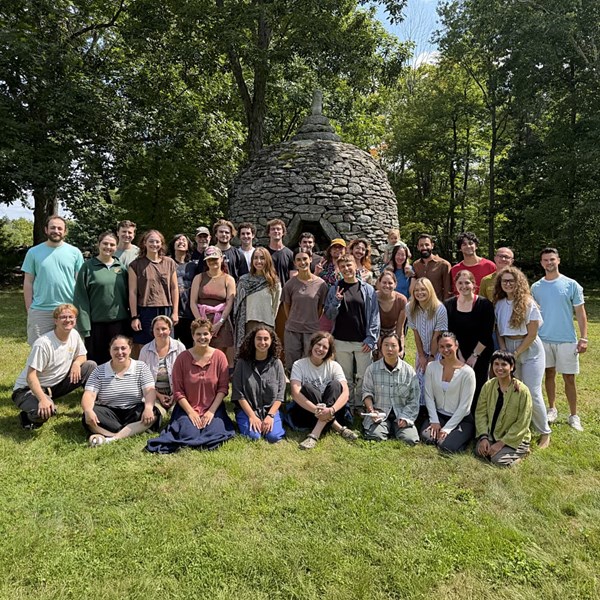
This was one of the questions discussed at the Buddhist Ethics Symposium in June, when we hosted 20 scholars on campus. (Read the Buddhist Ethics Symposium article.)
Over the following weeks, I found myself in conversation with a handful of people in their early twenties, some in the U.S. and some in Europe. None of them are Buddhist practitioners, so when I asked what caused them “suffering,” they heard a different word: anxiety. I don’t think anyone would argue that anxiety can be a source of dukkha.
They talked about climate anxiety — not fear of a single storm or fire, but a sense of dread that makes it hard to plan for the future. How do you believe in the future when you wake up to orange skies over and over again, while the powerful deny the existence of a problem?
They talked about economic anxiety — less about hardship in the moment and more about the limitations they face as they grow into adulthood: not being able to find a job that matches their skills, a first home that feels permanently out of reach, and, for some, no clear path to moving out of their parents’ house. Milestones that once marked the passage into adulthood have become distant, if not disappearing altogether.
They talked about polarization — how much harder it has become to simply have a conversation, let alone be heard, across a widening gap in how people see the world.
I don’t know if these are new sources of suffering or if they are, in some fundamental way, the same forms of suffering humans have been experiencing for 2,500 years. What do you think — are these all examples of impermanence? Something else that the Buddha identified?
Study is not only the careful reading of texts, though it is certainly that. It is also the discipline of staying curious and having conversations in a supportive community.
I am grateful that BCBS holds space for study, practice, and community — giving us a place to sit with these questions together.
With gratitude,
Melissa