Buddhist Ethics Scholars Gather at BCBS

What does karma contribute to contemporary conversations about justice? How should Buddhist communities understand and respond to abuses of power? And what new forms of suffering are emerging through artificial intelligence, algorithms, and social media?
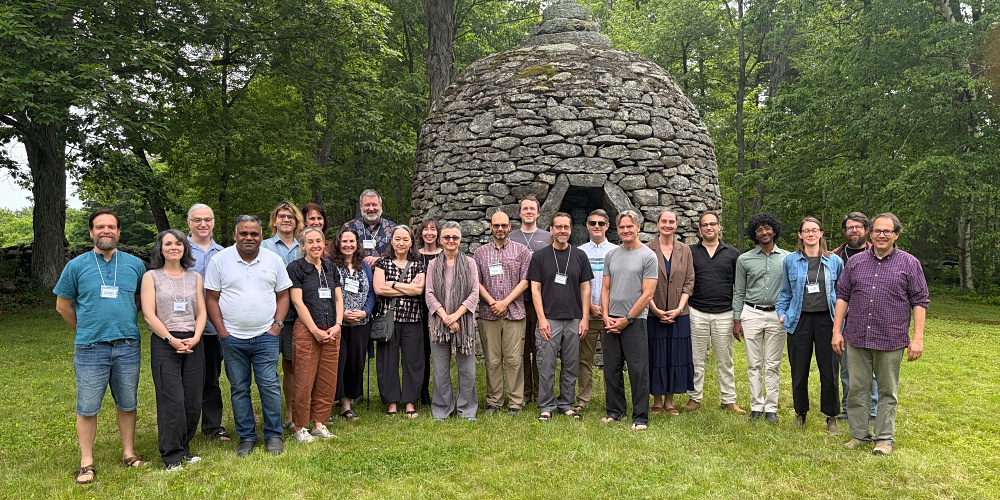
From June 5 through 8, BCBS welcomed scholars from across the field of Buddhist Studies to explore these and other questions during the fifth biennial Buddhist Ethics Symposium.
Co-organized by BCBS Director of Studies William Edelglass and Amod Sandhya Lele of Northeastern University, the symposium reflects a core part of our mission: creating space for scholarship and contemplative practice to inform one another. Hosting the gathering also connects BCBS with ongoing scholarly research across the field of Buddhist Studies.
Unlike many academic conferences, the symposium does not center formal paper presentations. Facilitators share a small number of readings in advance, introduce a theme, and invite participants to explore questions together. Conversations are rich, as participants come from a broad range of academic disciplines related to Buddhist Studies, including philosophy, ethnography and anthropology, history, material culture and art history, gender studies, philology and textual studies, and cultural studies.
This year’s sessions considered artificial intelligence and digital suffering, karma and justice, naturalism and supernaturalism, abuses of power in Buddhist communities, the role of meditation practice in teaching academic courses on Buddhism, and the question of who or what experiences suffering and requires liberation. For example, Dr. Jason M. Wirth, Professor and Chair of Philosophy at Seattle University, shared his article “Zen Reflections on the Dharma of Plants,” originally published in BCBS’s Insight Journal, for a discussion titled “Liberation of What? Who or What Experiences Dukkha and Needs Liberating?”
BCBS resident scholar monk, Bhikkhu Anālayo, also joined the gathering to share his current research on early Mahāyāna ethics.
“The Buddhist Ethics Symposium prioritizes real dialogue and open sharing. I think about the topics we discussed over the weekend all the time, but usually alone. Sharing in conversation with informed people who specialize in different aspects of Buddhist Studies was enriching and fun.”
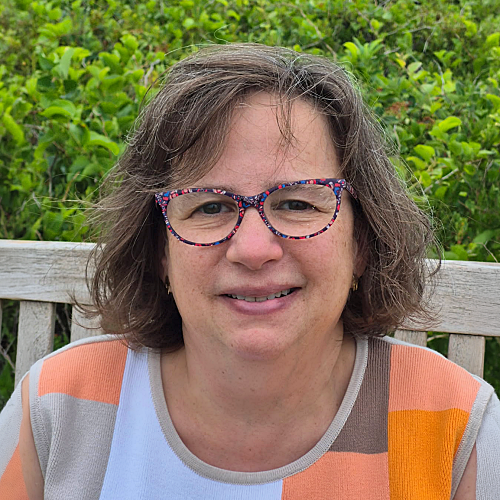
Sarah Jacoby, Professor of Religious Studies at Northwestern University
The setting at BCBS was an important part of the experience. What BCBS uniquely offers the broader Buddhist and scholarly communities is a place where the study of Buddhism is not separate from the question of how we live. Careful study can challenge our assumptions, deepen ethical reflection, and help us consider how Buddhist teachings relate to the conditions of contemporary life.
“It allowed us to remember a little of why it matters that we are thinking together about Buddhist ethics, how Buddhism lives on, and how we may think about it as persons, people, together, and not merely as academics. What a gift!”
Sonam Kachru, Assistant Professor of Religious Studies at Yale University
The symposium concluded with early plans for Buddhist Ethics Symposium 6 in 2028.
We are grateful to the Robert H.N. Ho Family Foundation for its generous support and to the participants, organizers, staff, and volunteers who made the gathering possible.