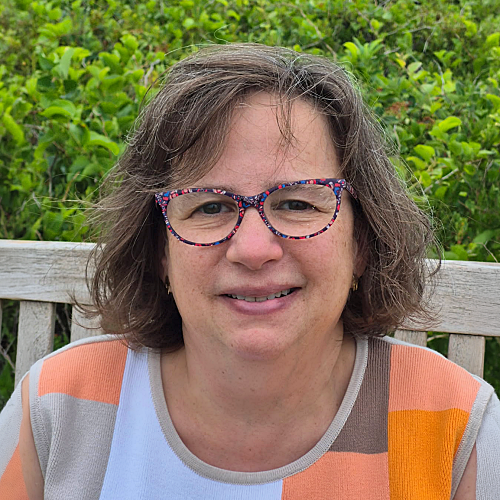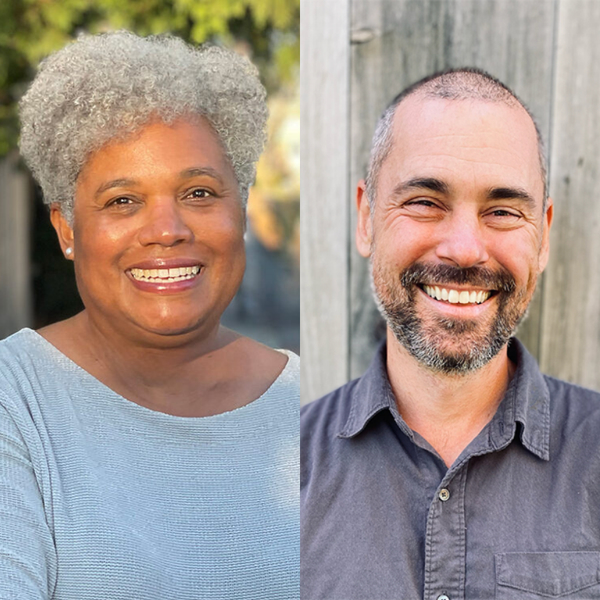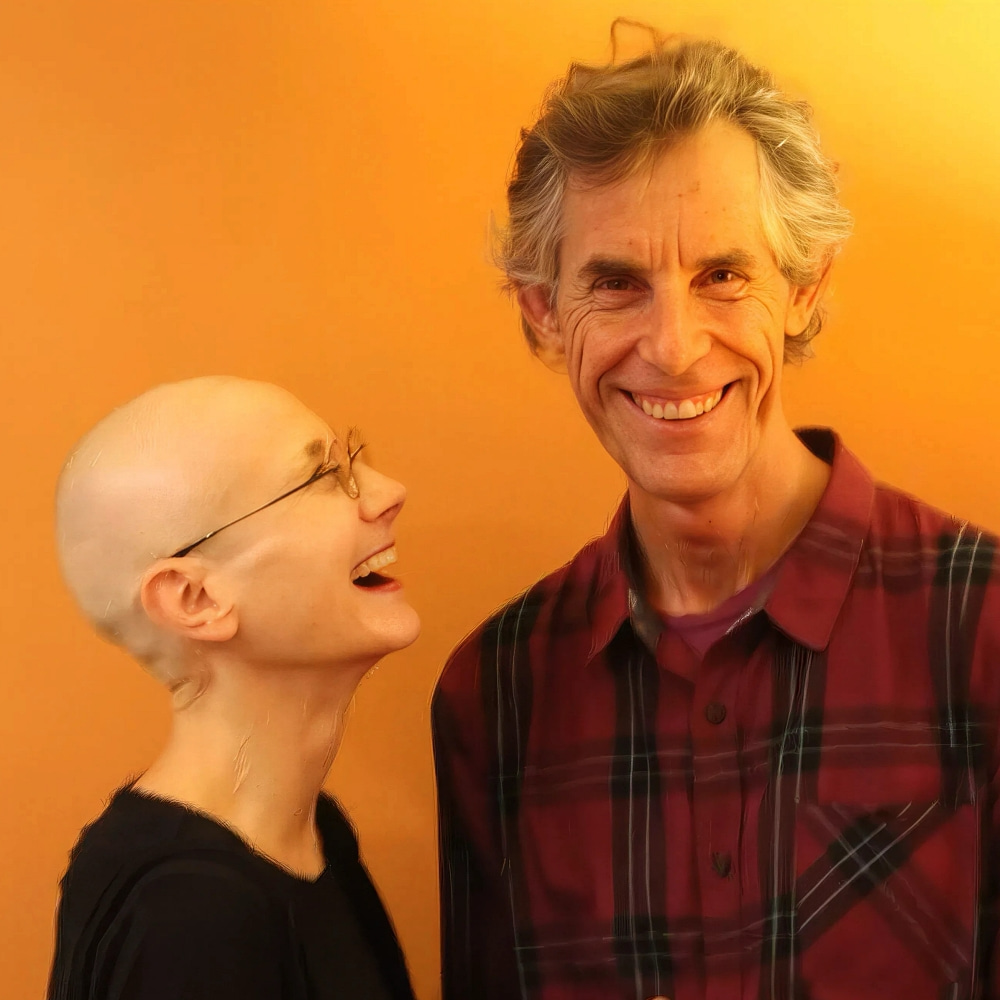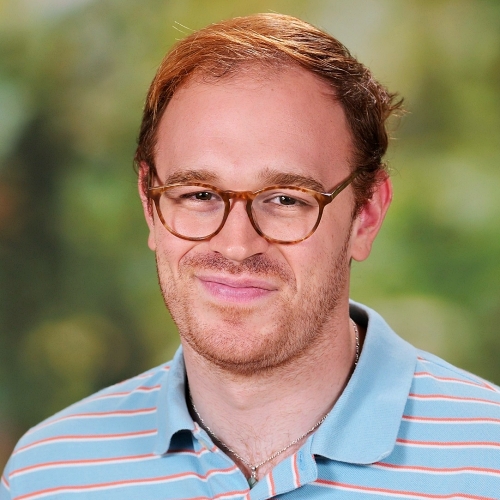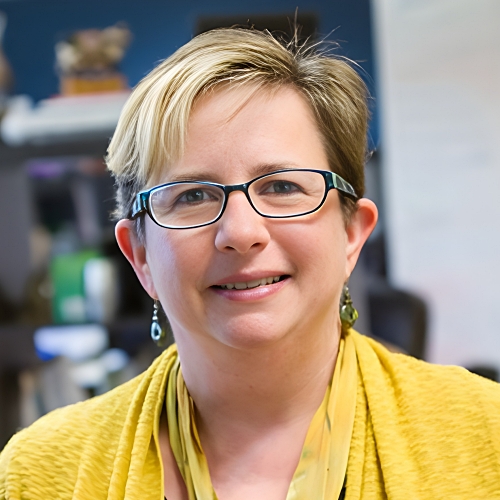
On April 7, we hosted a BCBS community gathering at the New York Insight Meditation Center, who graciously shared their space with us. The evening brought a sense of spiritual friendship that can be found at BCBS, online and in person, to the Big Apple.
The gathering was part of my ongoing efforts to understand how BCBS can more fully embody our aspiration to be a spiritual home and resource for all through study, practice, and community.
I have had many fruitful and complicated conversations, in New York and over the last few months, about this aspiration. The idea I keep returning to is “community”—what does this mean in the specific context of BCBS? In reflecting on this question, I have become curious if a distinction that was used in my social activist days might be helpful—the difference between being IN community and being WITH community. This distinction is not meant to minimize the role that structural, historical, and organizational factors play in limiting BCBS’s ability to get closer to meeting our aspirations.
Being IN community is a felt sense of belonging and ease, either conscious or unconscious. For some, it can be something that you don’t have to work at—you are simply “in.” For some, being IN community can require energy, commitment, and sustained capacity to engage with curiosity, vulnerability, trust, and self-awareness.
Being WITH community is a sense of genuine and generous solidarity, and yet a self that stands apart—a subtle separateness. It might be the experience of joining with others in a retreat or online class, even as you sense that others share an identity or practice that differs from your own. For example, when I was a teenager and one of a handful of anglophones—at my school and at Quebec independence rallies—no matter that I was a fluent French speaker and steeped in the culture, I was WITH the community and not IN it. I still remember these years fondly and as energizing places that were an important part of my social justice awakening and education.
A few yogis shared that, at times at BCBS, they felt more IN community, for example during affinity programs or year-long programs. Some were content feeling WITH community, for example when they attended classes on specific traditions.
The spiritual friendship that I experienced during these discussions in New York inspired me to bring these questions to the broader community.
What does community mean to you? Do you bring expectations of being IN or WITH community to BCBS? Does this change during one retreat or class, or depending on the retreat or class? How do you understand and cultivate community within the context of the Dharma? What does a nourishing, inclusive community look like in our particular time and place at BCBS?
As we answer these questions together, I will listen deeply. My intention is for BCBS to be able to more clearly see the ways to nurture the conditions for building community and move closer to our aspiration of being a spiritual home accessible to all.
Melissa Gopnik
Executive Director
Barre Center for Buddhist Studies
P.S. A special thanks to Nina Herzog and Aaron Stryker for sharing their thoughts about BCBS at the event, and to all the people who were able to join us. The next stop is Portland, ME, on May 9, 2026. Let us know if you would like to join us there.