Fostering Buddhist Practice and Community in Higher Education
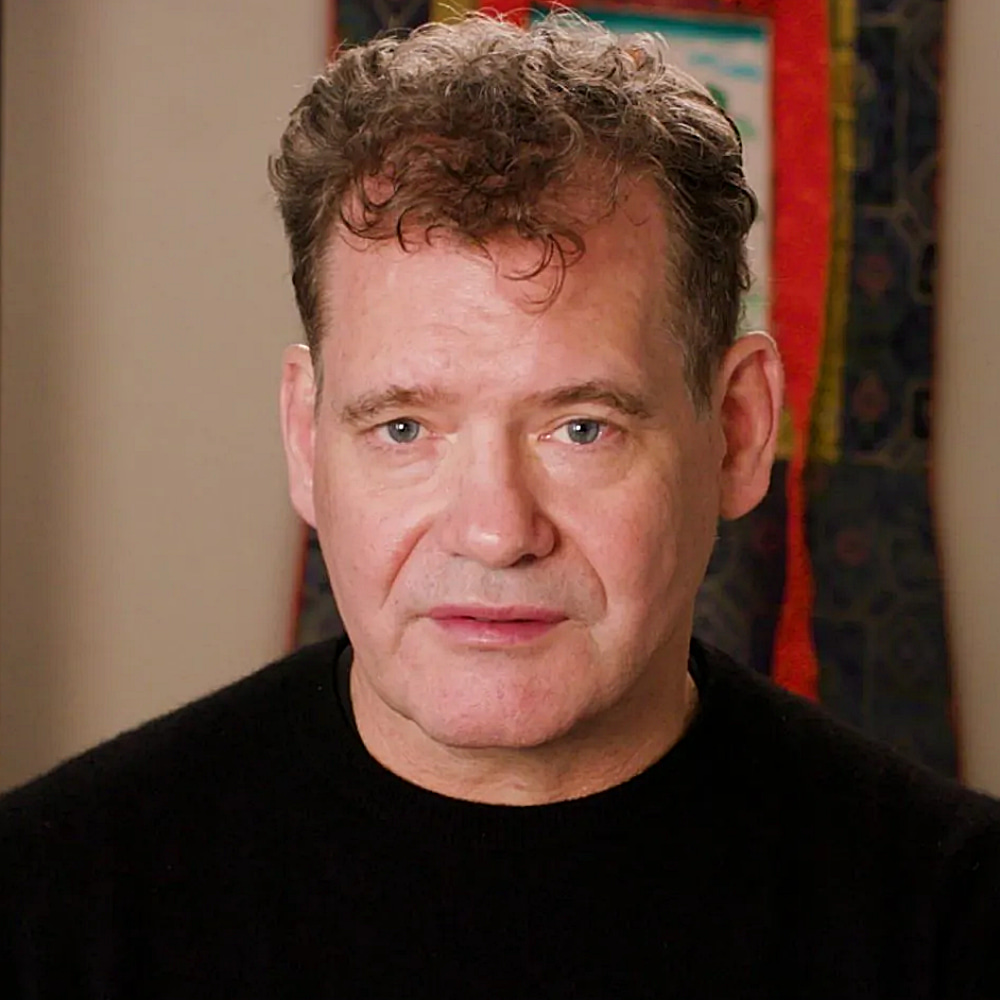
by William Edelglass, BCBS Director of Studies
 “I feel confident that the themes and people and knowledge I have been exposed to will make me a better ancestor and person,” wrote a participant reflecting on a recent BCBS young adult retreat. “Returning to my contemplative practice in the context of service and earthliness has been deeply nourishing, honestly beyond what words can convey. Thank you all for creating the conditions for this experience!!”
The Barre Center for Buddhist Studies has offered retreats specifically for young adults for some years now. For a generation facing particularly intense challenges, these retreats offer refuge, increased resilience, meaning, connection, and a deepening of practice and understanding of Buddhist paths. Beyond our own offerings, BCBS has been engaged in broader efforts to make Buddhist practice and community accessible to young adults.
Some colleges and universities—especially elite private institutions and flagship state schools—have ample resources to support student practitioners: Buddhist chaplains, faculty in Buddhist Studies, staff in wellness centers who are certified to teach mindfulness and often have some experience with Buddhist retreats. However, there are fewer than 30 members of Maitreya, the organization of Buddhist chaplains in higher education. And there are around 4,000 degree-granting colleges and universities in the United States. In short, thousands of schools lack institutional support for Buddhist contemplative practice and community.
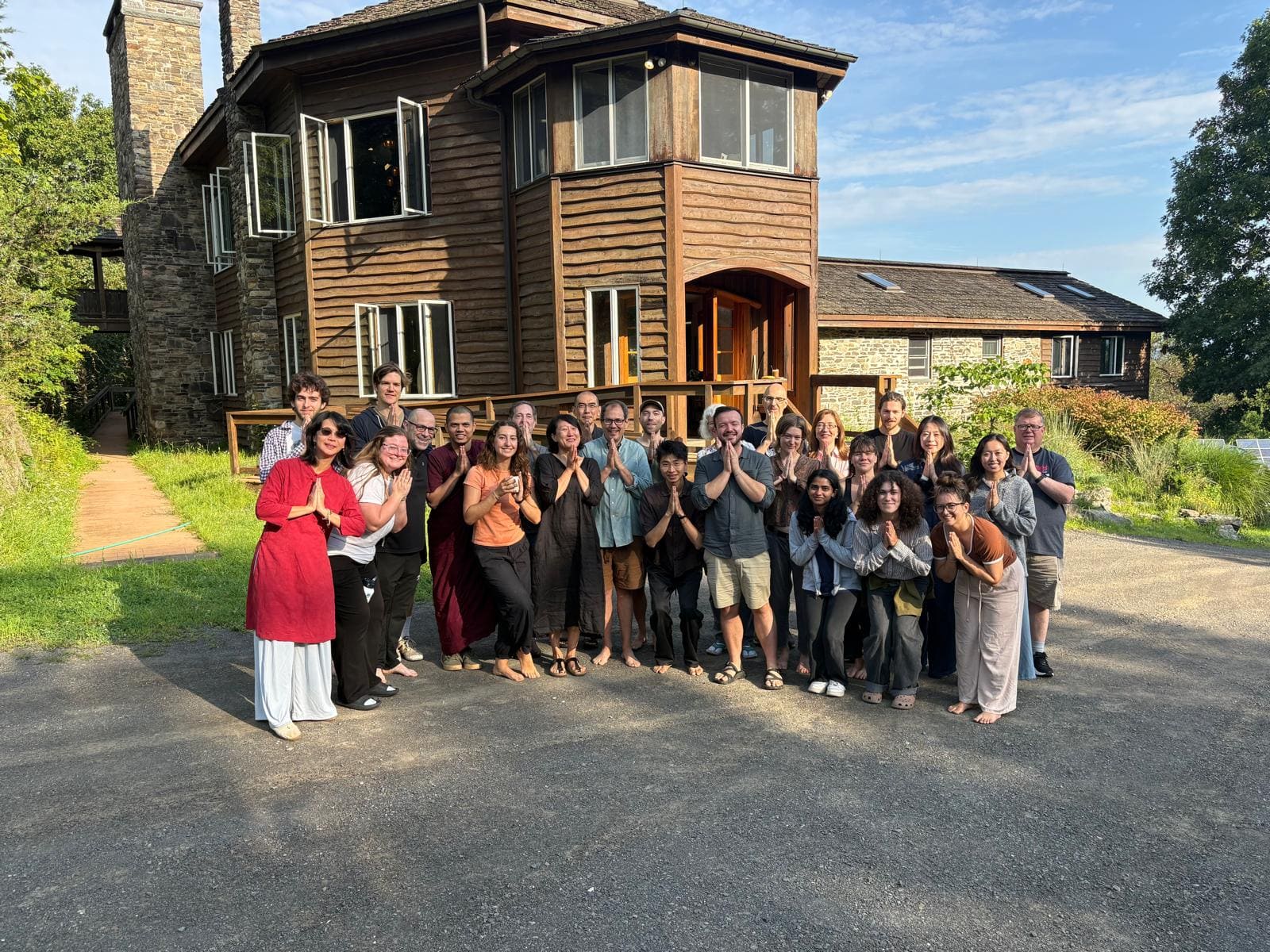
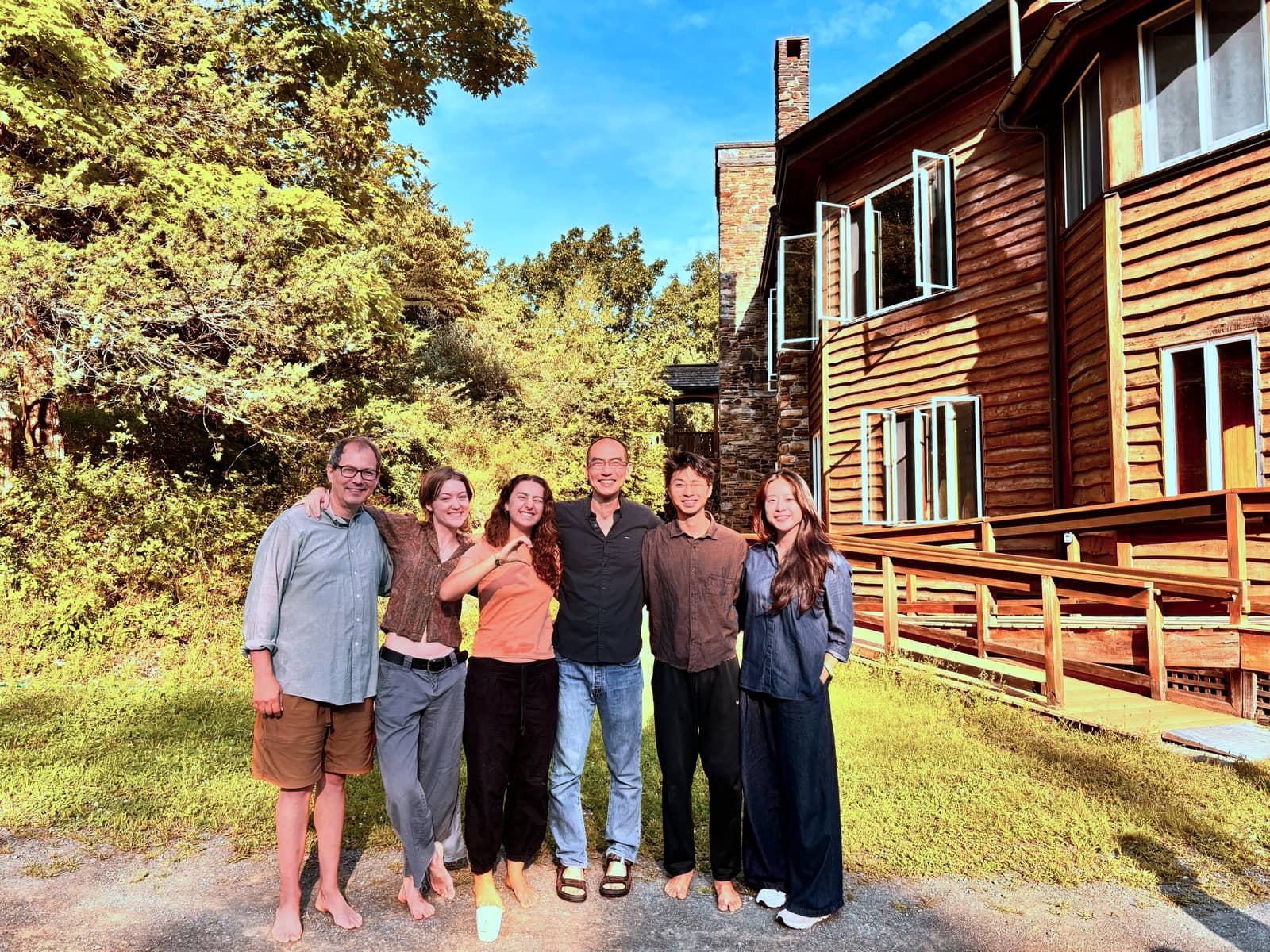
BCBS has been part of an initiative to explore ways to foster Buddhist practice and community in higher education, especially in schools that may not currently offer resources to support student practitioners. This project began with conversations in fall 2025 between Dharma Gates, the Hemera Foundation, and me (William Edelglass). We brought in several more colleagues to form a planning committee and, with the help of a facilitator, organized a four-day gathering in August 2026.
The aspiration for this gathering was that, with the collective insight and imagination of student leaders, Buddhist advisors, educators, chaplains, and leaders of organizations that work with or fund young adult Buddhist programs, we could envision growing a movement. Through facilitated conversations, we mapped the current landscape of Buddhist practice and community in higher education: what is working well, where there are opportunities, what we might create together, and how our vision could be implemented. The conversations continued over meals, on walks, and over tea, with plenty of laughter and even a little dancing.
Because fostering Buddhist practice and community in higher education felt like such an ambitious goal, I was happily surprised that we were able to generate concrete and achievable proposals that we will continue to explore and refine. This gathering also helped build community and networks across different groups active in supporting student practitioners. I am very much looking forward to seeing how this work unfolds and am grateful that BCBS is able to contribute our experience and understanding to support this evolving, collaborative process.
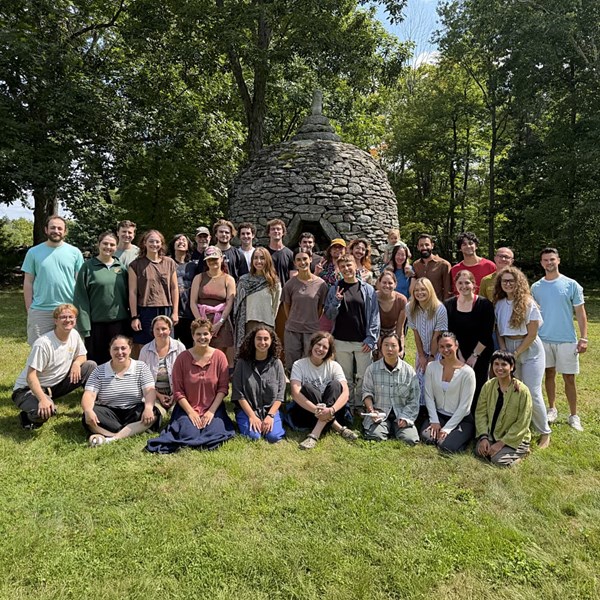
P.S. Interested in BCBS’s broader work with young adults? Read about Waking Up in a Living World, a recent retreat that brought together participants ages 18–35 for five days of Dharma practice, community, and connection with the natural world.