As a Buddhist study center, we’re committed to ongoing inquiry and reflection. Each newsletter includes a Dharma Resource to support continued study and practice. We hope these offerings are meaningful and helpful to you.
Nondual Awareness: John Dunne on the Nature of Mind
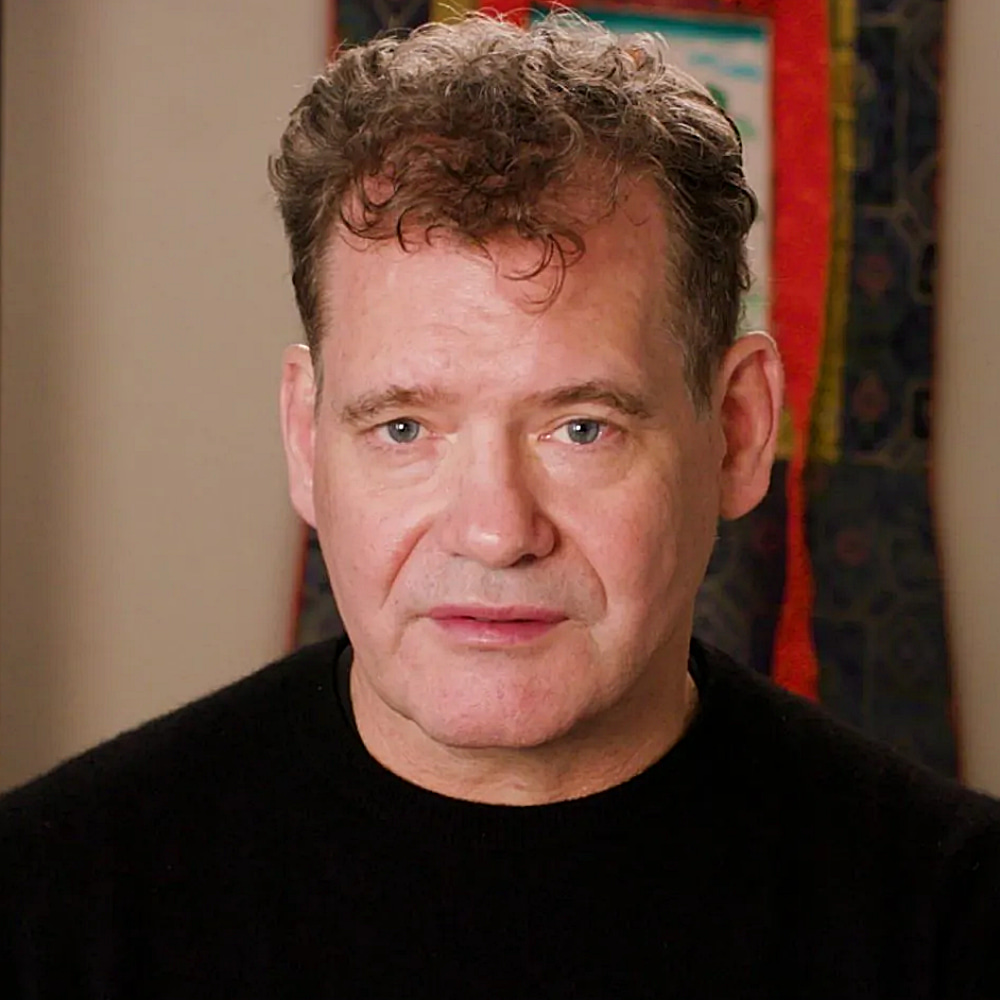
John Dunne joined Joseph Goldstein, Dhammadipa, Guo Gu, Anne C. Klein, and William Edelglass for Liberation: A Dialogue Across Buddhist Traditions, an exploration of how different Buddhist traditions understand liberation and freedom from suffering.
Examining themes such as impermanence, non-self, compassion, emptiness, and nonduality, the retreat invited participants to explore both the shared ground and distinct perspectives of different Buddhist paths, reflecting on how awakening transforms the way we live and respond to the world.
This month’s Dharma Resource features John Dunne’s teaching and guided practices on nondual awareness and the nature of mind, followed by a Q&A and conversation among teachers from the retreat.

Dharma Talk and Guided Practices
Drawing on the Mahāmudrā tradition, John Dunne explores Tilopa’s instruction to Nāropa that we are “not bound by appearances” but by clinging. Beginning with Nāgārjuna’s teachings on karma, afflictive states, conceptualization, and prapañca, he explores how our experience of reality is shaped by concepts and by the deeper sense of separation between subject and object.
John then introduces the Mahāmudrā understanding of nondual awareness as something already present within ordinary experience. Through several short guided practices using the breath, vision, sound, and open awareness, he invites participants to explore reflexive awareness, objectless śamatha, and the possibility of relaxing effort and object-focused attention.
He goes on to describe the nature of mind as empty and luminous, discusses the role of recognition and transmission in Mahāmudrā practice, and returns to the question of what it means to “cut through clinging” while remaining fully present to appearances.
Q&A and Teacher Conversation
In the discussion that follows, John and the other teachers explore whether concepts are necessarily effortful or dualistic, how vikalpa, prapañca, perception, and recognition are understood differently across Buddhist traditions, and how practitioners can distinguish a glimpse or approximation of nondual awareness from deeper realization.
The conversation then broadens to other questions about Buddhist practice. John reflects on what neuroscience can and cannot tell us about meditation and awakening; Dhammadipa discusses impermanence, precepts, and letting go; and the teachers consider the role of devotion, stages of practice in Chan, Zen, Theravāda, and Tibetan traditions, whether full liberation is attainable, and how practitioners can find a teacher with whom to work.
Explore More from the Retreat
Interested in going deeper? Explore the full collection of audio recordings from Liberation: A Dialogue Across Buddhist Traditions, including dharma talks, guided meditations, and conversations with Joseph Goldstein, Dhammadīpā, John Dunne, Guo Gu, Anne C. Klein, and William Edelglass.