



Touching the Earth is a three-week immersion for young adults on a Vermont homestead to cultivate self-awareness and deepen relationships with others and the living earth
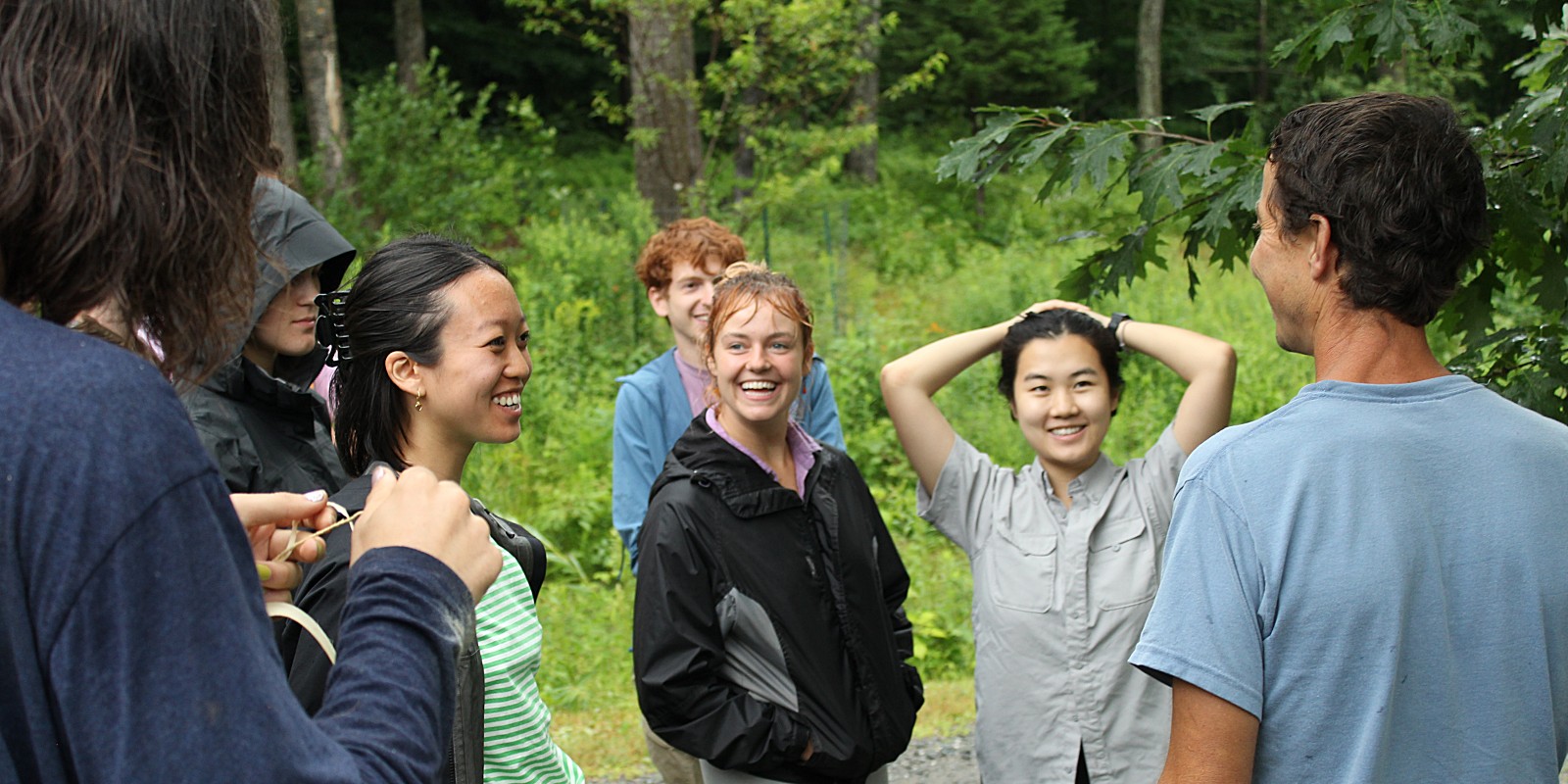
Now in its sixth year, this retreat offers a community of 14 participants (ages 18-25) an opportunity to pause, engage in a sustained period of contemplation in a community of peers and mentors, and reflect on values and callings.
A diverse and seasoned faculty guides the exploration of the Buddhist concept of interbeing through ecology, Buddhist philosophy, and the social contexts of our lives.
Make Touching the Earth accessible to all. Your donation provides financial aid so young adults can join this transformative retreat. Support the next generation of mindful, compassionate leaders—give today.
Our community cultivates belonging and compassion through a daily rhythm of morning silence, meditation, ecological exploration, solo time on the land, dialogue in seminars, contemplative movement, group singing, cooking, and sharing nourishing meals. Sundays and Wednesdays are silent days of practice. (See the Flow of the Day.)
A Buddhist understanding of interbeing informs the varied elements of Touching the Earth and weaves them together. The term “interbeing” was coined by the Vietnamese monk, meditation teacher, and peace activist Thich Nhat Hanh as a way to express the Buddhist teaching of dependent co-arising, that all beings are intertwined with and conditioned by others. Exploring interbeing through embodied practices and also through texts, dialogue, and group process, we deepen our experience of ourselves and the world around us as fluid processes of change, linked to one another. Recognizing ourselves as agents of change in a world that is always changing, we come to see new possibilities for our relationships and our lives. (See the “Interbeing Seminars” tab below to learn about other voices and movements that inspire this retreat’s teachings.)
Several threads of practice run through this three-week program, including the Four Foundations of Mindfulness, the Work That Reconnects, the Way of Council, and the Eco-Soulcentric Developmental Wheel. As we settle into routines of investigation, our sense of time expands, and we use our moral imaginations to live beside ancestors and future beings.
One of the primary intentions of Touching the Earth is for individuals to be supported in exploring the significance of their unique lives. In particular, to gain clarity and confidence in how they are called to offer the gift of their lives to the challenge of these times and how to meet this world in a manner that is empowering rather than overwhelming. Visits from guest teachers inspire reflection on the particular ways we each feel called to contribute to the work of creating thriving communities.
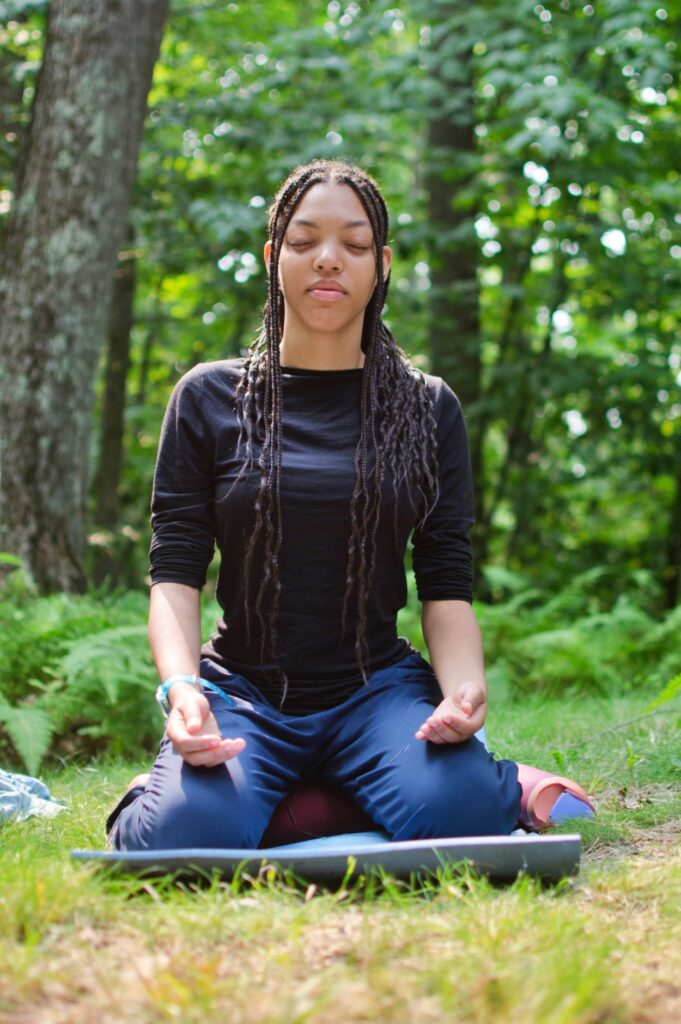
The Four Foundations of Mindfulness, from the Satipaṭṭhāna Sutta, provide a path for our community to follow as we develop practices of attention that arise from the teachings of the Buddha. Meditation teachers guide our community in two meditation periods per day, inviting us into practices of awareness and compassion. We hold two silent days each week: Wednesdays are devoted to guided meditation practice; Sundays provide open space for deepening personal practice and attending to individual needs. Beyond sitting meditation, mindfulness is practiced in the daily activities of retreat living: tending the gardens, cooking together, journaling, singing, and contributing to homestead life via rotating monastery chores.
When we look at what is happening to our world – ecologically and socially, culturally and politically – it is easy to feel overwhelmed and stuck. This retreat offers an opportunity to be present to our emotions and to gain new perspectives that can inspire collective action.
The Work That Reconnects, developed by eco-Buddhist Joanna Macy and others, offers teachings and group practices that guide our journey through four stages of exploration over the course of the retreat: Coming from Gratitude, Honoring Our Pain for the World, Seeing with New Eyes, and Going Forth.
As we cultivate compassion and a sense of connection with all life – past, present, and future – we open to the possibility of feeling reinvigorated and ready to take part in the transition to a just, kind, and sustainable world.

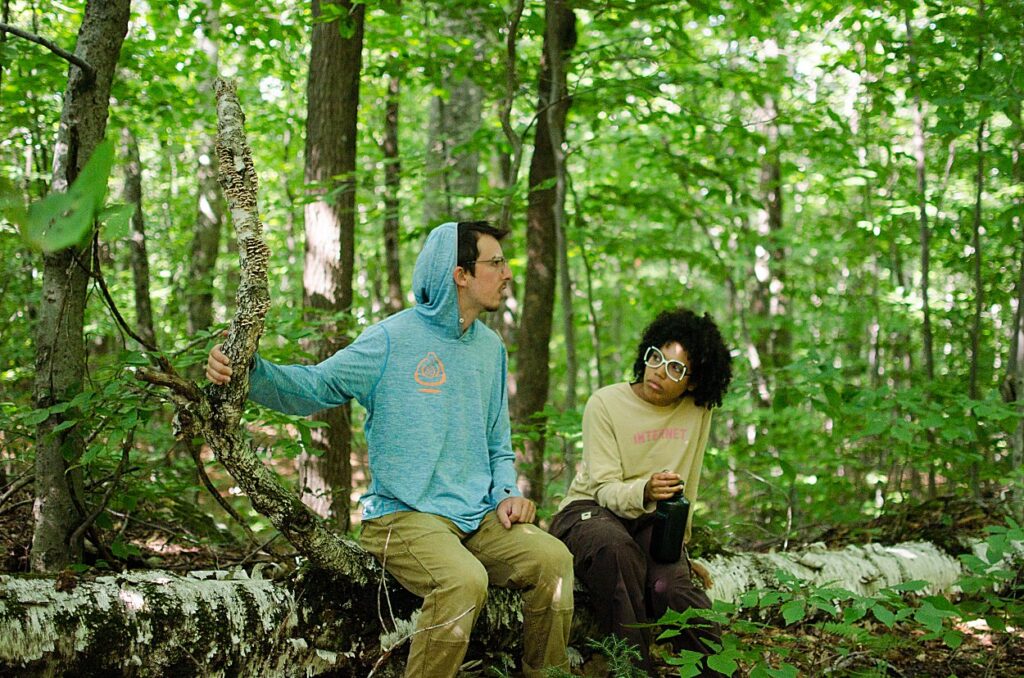
Humans have long engaged the more-than-human world and the ‘mirror of nature’ as a means of gaining clarity in life or marking significant life transitions. Individuals have crossed the threshold into wild places to attend more closely to the movement of soul, to remember what is at one’s core, what is most important. Such transitions in a person’s life were often marked through ceremony as initiatory events or passage rites as a means of reinforcing both the initiate and the community to the new orientation, direction, or phase of a person’s life.
Over the course of the retreat, participants experientially explore an ‘Eco-Soulcentric’ model of human development, which invites us to reflect on the ways our own cyclical lives relate to and are part of the living earth. Four times during the program, we meet to contemplate a particular life stage, beginning with Spring / Childhood, and moving through Summer / Adolescence, Autumn / Adulthood, and Winter / Elderhood.
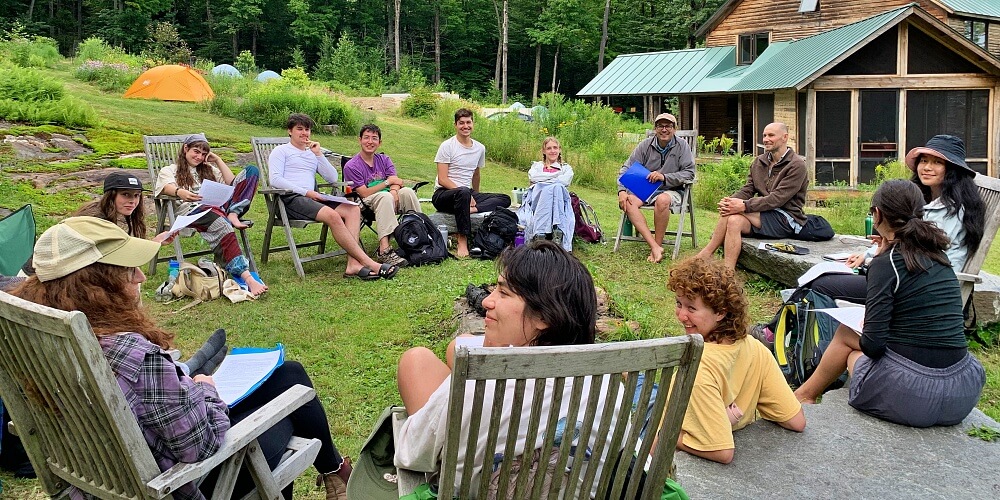
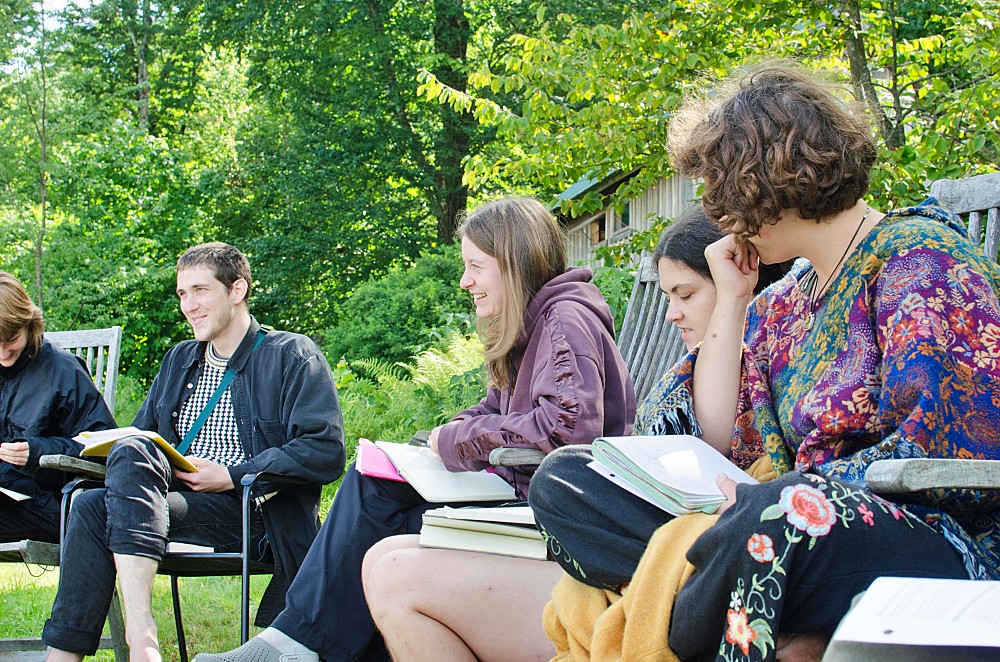
For ten afternoons over the course of the three weeks, we gather at the fire circle to explore some of the voices and thinkers who inform our understanding of ‘interbeing.’ In the past, these seminars have focused on topics including permaculture, food (in)justice, mutual aid, the concept of “nature,” the idea of apocalypse, dependent co-arising, kinship, and engaged Buddhism. Each year, our learning is supported by a collection of essays and poems by thinkers and activists, including Thich Nhat Hanh, James Baldwin, Robin Wall Kimmerer, Carolyn Finney, Eli Claire, adrienne maree brown, and Mariame Kaba. Facilitated by members of the faculty and guest teachers, the two-hour-long seminars are offered with the awareness that retreatants arrive with different positionalities, learning styles, and experiences exploring these topics. The ten seminars map onto the progression of our three-week curricular arcs (discussed above under “Eco-Soulcentric Wheel” and the “Work that Reconnects”). Contemplating the systems of power that permeate our lives, we consider how we might spend time at a ‘retreat’ by deepening our awareness of our present relationships with the world rather than attempting to ‘retreat’ away from our interconnected web of existence.
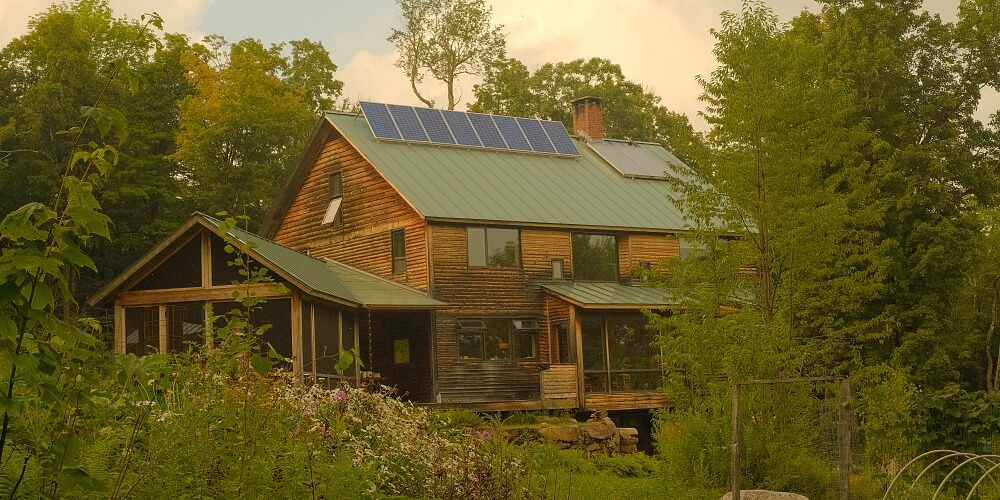
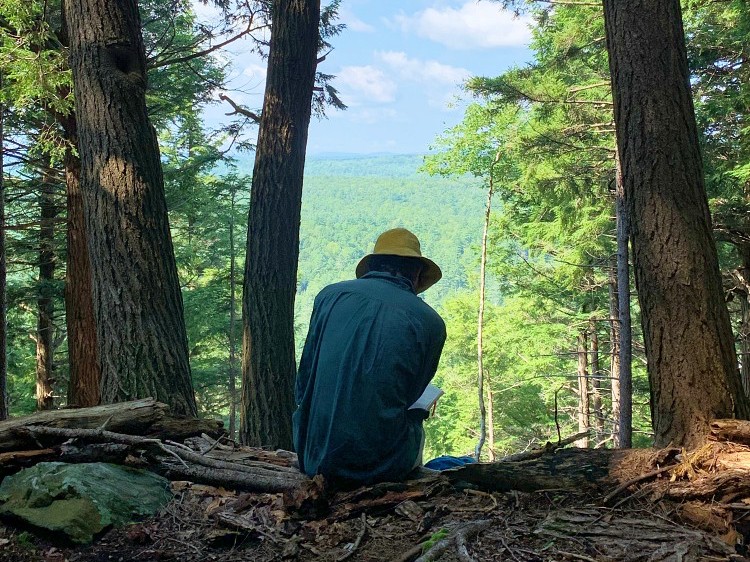
The Edelglass Homestead has been evolving in a forest clearing in the foothills of the Green Mountains since 2010. Beautiful hiking trails weave through the mostly hardwood forest and connect the house to a small college campus, home to the world-class concerts of the Marlboro Music Festival. Other trails lead to the tiny village of Marlboro, to extensive beaver ponds, and to the shores of South Pond.
Permaculture principles have guided the design and development of vegetable gardens, pollinator meadows, a small fruit orchard, and a young “edible forest” of native shrubs and trees.
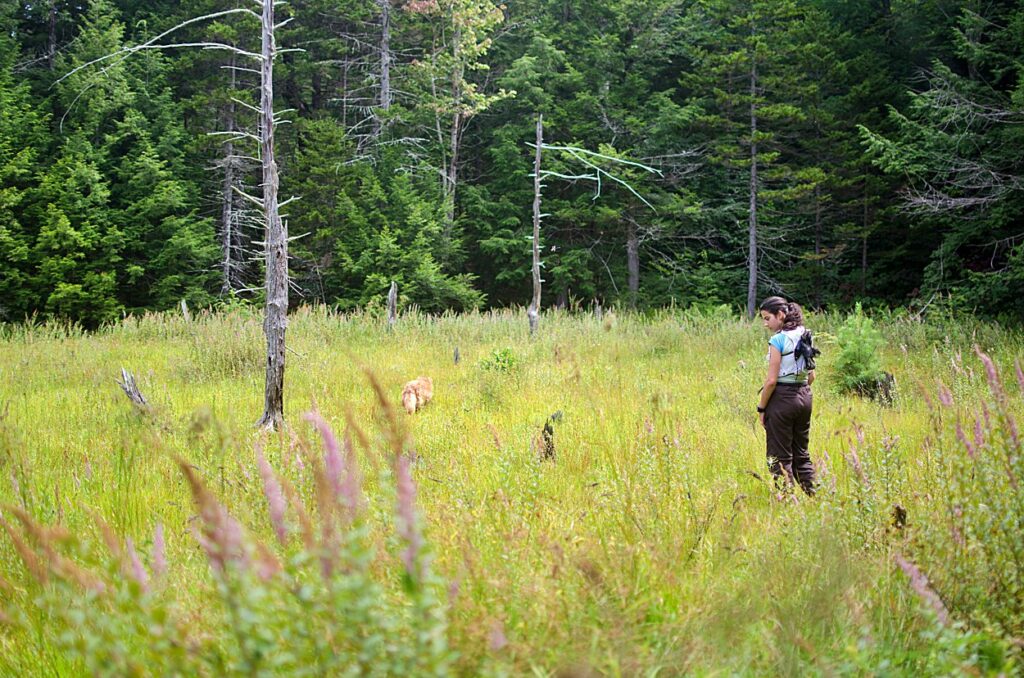
The rural town of Marlboro is located in the Upper Connecticut River Valley, a land inhabited for countless generations by Abenaki people, many of whom continue to live in this bioregion. Marlboro is filled with artists, scholars, and homesteaders drawn to the area by the former Marlboro College and the Marlboro Music Festival. The 40 square miles are mostly forested, and the human population has never topped 1,300. Other inhabitants include white-tailed deer, moose, black bears, red and grey foxes, coyotes, fishers, mink, beavers, porcupines, bald eagles, common loons, barred owls, chickadees, and beautiful individuals belonging to hundreds of other animal species.
Late summer in Vermont is a golden season.
We sleep in tents, gather for meals on a screen porch, and sit around a campfire to sing and share thoughts.
Sitting meditation takes place in a meditation room as well as outside on the land.
Cook crews of participants and staff prepare meals in the kitchen, incorporating vegetables harvested fresh from the garden.
For the entire three weeks, we take a break from using screens and devices, supporting our intention to be fully awake to our present moment experience.
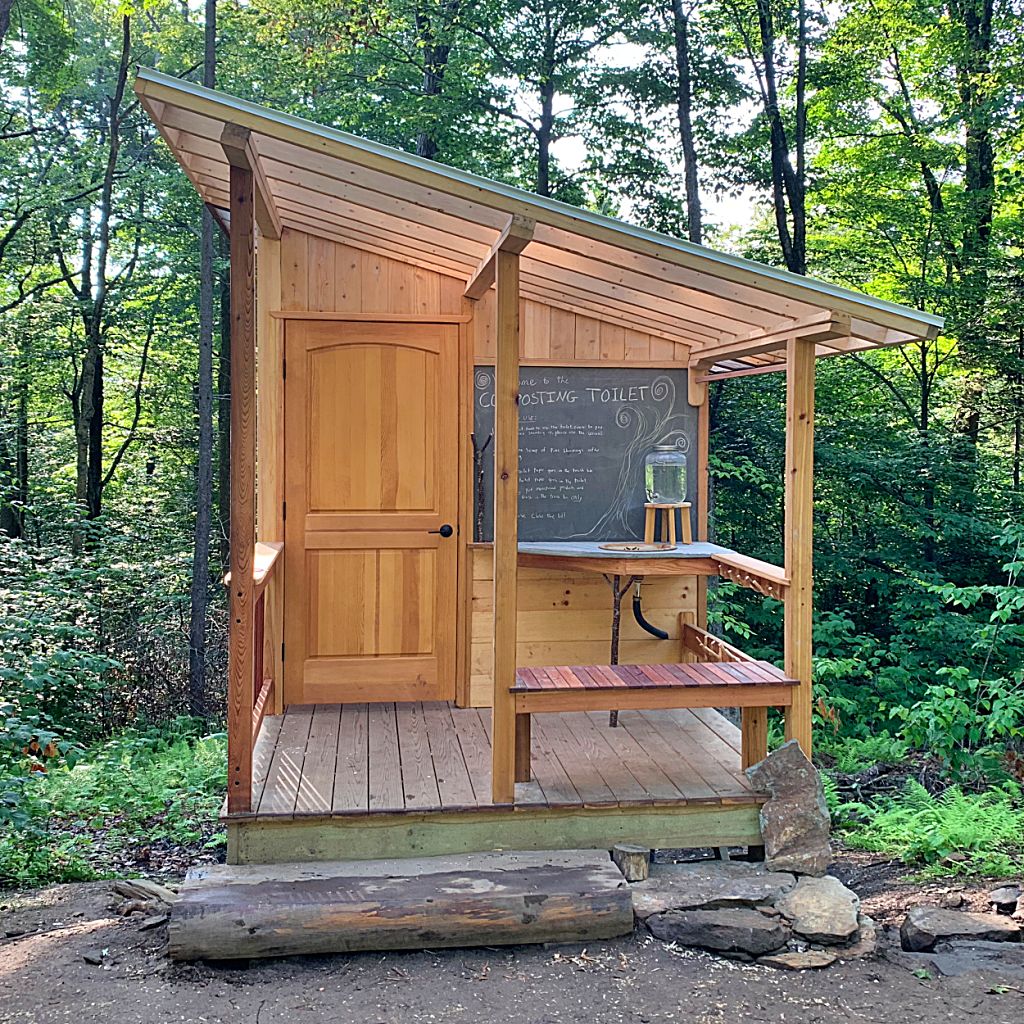
Bathroom facilities include a solar hot-water shower and a composting toilet outhouse, complete with a handwashing station.
This experiential program does not offer academic credit.
Students enrolled in college have the option of incorporating research for coursework. The program faculty can serve as advisors for this process.
Upon completion, letters of recommendation may be requested for college applications, internships, and paid positions. With just fourteen participants engaged in this immersive program, faculty come to know students well and, if desired, can offer mentoring for education and career choices.
Touching the Earth is open to 18-25-year-olds.
We welcome applications from young adults who enjoy living in community close to nature and who are passionate about contributing to a transition to a world that is healthy and just, ecologically and socially. Experience with meditation, compassionate listening, gardening, and camping is beneficial but not essential. We are aiming to form a diverse learning community with a range of identities and life experiences. Most of all, we are looking for people who are curious about the world and ready to connect with other living beings.
The in-person dates for Touching the Earth are July 24 – August 15, 2026.
Arrival time is between 2:00 and 4:00 PM on Friday, July 24.
Departure time is between 2:00 and 4:00 PM on Saturday, August 15.
Touching the Earth takes place at the Edelglass Homestead in Marlboro, VT, in the southern foothills of Vermont’s Green Mountains.
The homestead has hosted permaculture workshops, academic conferences and talks, and Buddhist meditation retreats, as well as workshops on practical skills. Over the years, hundreds of volunteers have lived with the Edelglass family, helping them tend the land.
Program Fee: $3,000
Your program fee will go toward the cost of meals and lodging, a living wage for our staff, and other necessary program expenses. The program fee does not cover travel to and from Marlboro, Vermont.
Cancellation Policy for Touching the Earth
The full tuition is due on May 1. The non-refundable portion is $750. Except in rare cases of emergency or medical necessity, refunds of the remaining $2,250 will not be granted when cancellations are made after June 1 or when participants depart early from the retreat.
Scholarships
In an effort to make this program accessible to applicants regardless of their financial circumstances, a scholarship fund has been established specifically for Touching the Earth. You will find an application for need-based financial assistance at the bottom of the program application.
No participant has ever been turned away from attending Touching the Earth due to financial need.
Spaces are limited — Apply now!
For more information about this program, please contact Kirstin Edelglass, Program Director, at touchingearth@buddhistinquiry.org.
This program is cosponsored by the Marlboro Foundation, a non-profit organization supporting educational spaces, events and programs that nurture resilient creative communities in Marlboro, VT and the surrounding bioregion.